

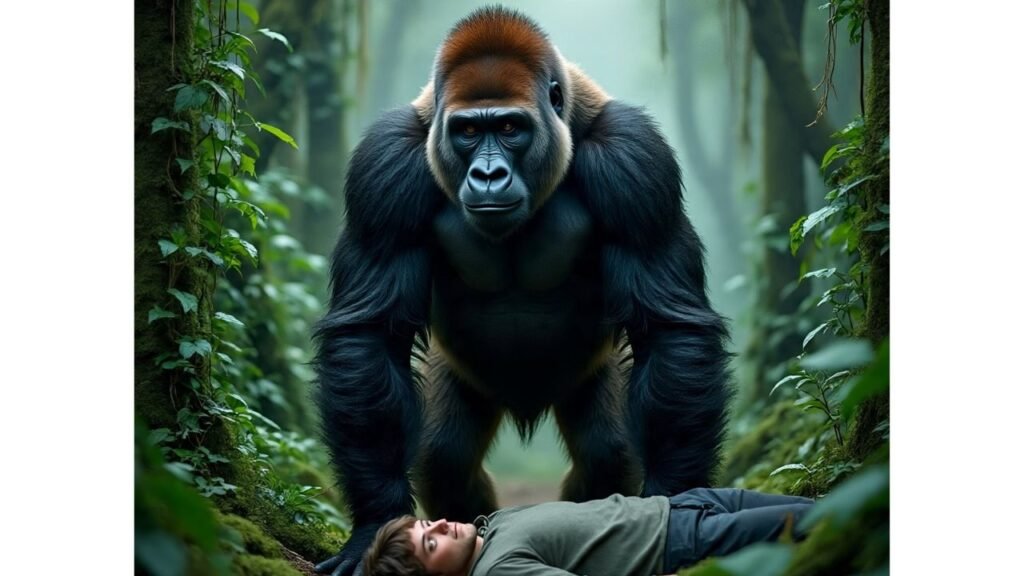
Do gorillas eat humans? This is a question that has intrigued many wildlife enthusiasts and curious minds for decades. Gorillas are some of the most powerful and intelligent primates on Earth, living primarily in the forests of central Africa. Despite their massive size and strength, they are largely herbivores, feeding mostly on leaves, stems, fruits, and occasionally insects. However, myths and sensational stories in media have often made people wonder whether these gentle giants could ever pose a threat to humans as a source of food. In this article, we will explore the question: do gorillas eat humans, examine their behavior, diet, and interactions with people, and separate fact from fiction.
Understanding Gorilla Diet and Behavior
To answer the question do gorillas eat humans, it is essential first to understand what gorillas naturally eat. Gorillas are primarily herbivorous, and their diet consists of a wide variety of vegetation. They consume leaves, shoots, stems, fruits, flowers, and even tree bark. In some cases, gorillas may eat small insects like ants or termites, but meat is extremely rare in their diet. Unlike some other primates, gorillas do not actively hunt animals for food.
Behaviorally, gorillas are known to be gentle and social animals. They live in groups called troops, led by a dominant male known as a silverback. The silverback is responsible for protecting the group from threats, which might include other gorillas or predators. However, this protective behavior does not extend to eating other animals, particularly humans.
The idea that gorillas might eat humans comes largely from fear and misunderstanding of their size and strength. While gorillas are capable of causing serious harm if threatened, their natural instincts do not include viewing humans as prey.
Historical Accounts and Myths
Many stories about gorillas being dangerous to humans have been exaggerated or misrepresented in media. For centuries, gorillas were considered mysterious and terrifying creatures by people outside their natural habitats. Early explorers often told sensational tales of gorillas attacking humans, which contributed to the myth that these primates are aggressive predators.
In reality, there are very few documented cases of gorillas attacking humans, and those attacks usually occur under specific circumstances—such as when the gorilla feels threatened or its territory is being invaded. Even in these cases, the motivation is defense, not hunger.
Understanding this distinction is crucial when considering the question: do gorillas eat humans. Attacks on humans are extremely rare and almost never involve the gorilla attempting to eat its victim. Most often, gorillas retreat when they sense a human presence.
Gorilla Interactions with Humans Today
In modern times, humans interact with gorillas in several ways: through ecotourism, scientific research, and conservation projects. Ecotourism allows people to observe gorillas in their natural habitats, but strict guidelines are enforced to prevent stress or danger to the animals. Researchers studying gorillas also maintain careful protocols to ensure safety.
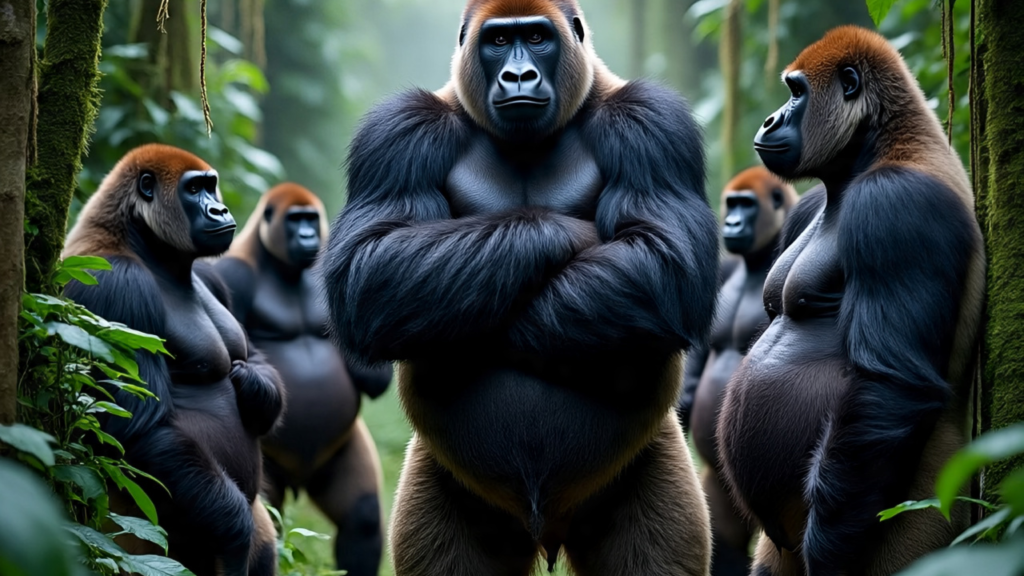
Interestingly, gorillas that are habituated to human presence often display peaceful behavior. They may ignore humans or respond with curiosity rather than aggression. This further supports the idea that the question do gorillas eat humans is largely based on myth rather than reality.
Conservationists emphasize that respecting gorillas’ space and natural behavior is critical. Conflicts generally arise only when humans encroach on gorilla territories or attempt to feed them, which can lead to dangerous situations for both parties. Even in these instances, gorillas are not seeking humans as food.
Comparing Gorillas with Other Primates
To understand gorilla behavior better, it is useful to compare them with other primates. Some primates, like chimpanzees, have been observed hunting small mammals or even other primates occasionally. These behaviors are part of their survival strategy and social dynamics.
Gorillas, however, are fundamentally different. Their size, strength, and social structure allow them to obtain sufficient food from vegetation alone. The energy requirements of their massive bodies are met through plants, and they have no evolutionary need to hunt animals, including humans.
Thus, when asking do gorillas eat humans, the answer is clearly influenced by their biology and ecological niche. Gorillas are designed to thrive on a plant-based diet, and humans are not considered prey.
Human Safety Around Gorillas
Although gorillas are not a threat in terms of being food predators, they are incredibly strong and capable of causing injury if provoked. Therefore, understanding gorilla behavior is important for safety.
Key points to remember when encountering gorillas in the wild include:
- Keep a respectful distance and avoid direct eye contact, which can be seen as a threat.
- Move slowly and avoid sudden gestures.
- Follow the instructions of trained guides when on gorilla trekking excursions.
By respecting their space, humans can safely observe gorillas without triggering defensive behaviors. These precautions highlight that attacks, when they do occur, are about self-defense—not predation.
Conservation and Public Awareness
Education and awareness are critical in dispelling myths about gorillas. The more people understand gorilla behavior and dietary needs, the less likely they are to believe exaggerated stories about gorillas eating humans.
Conservation efforts also play a role. Protecting gorilla habitats reduces the likelihood of conflict with humans. As human settlements expand, interactions between humans and gorillas increase, sometimes leading to fear-driven myths. Encouraging coexistence through ecotourism and habitat preservation ensures that gorillas remain safe and humans are informed.
Conclusion
In conclusion, the question do gorillas eat humans can be answered definitively: no, gorillas do not eat humans. While they are strong and potentially dangerous if threatened, their natural diet is almost entirely plant-based, and attacks on humans are rare and defensive in nature. Myths and sensational stories have created unnecessary fear, but scientific observation and research show that gorillas are gentle, social animals who do not consider humans as food.
Respecting their habitat, understanding their behavior, and promoting conservation are essential steps in ensuring that humans and gorillas can coexist safely. The next time someone asks, do gorillas eat humans, you can confidently explain that the answer is rooted in both biology and evidence-based observation: gorillas are not predators of humans, but rather peaceful giants of the forest who deserve our admiration and protection.
