

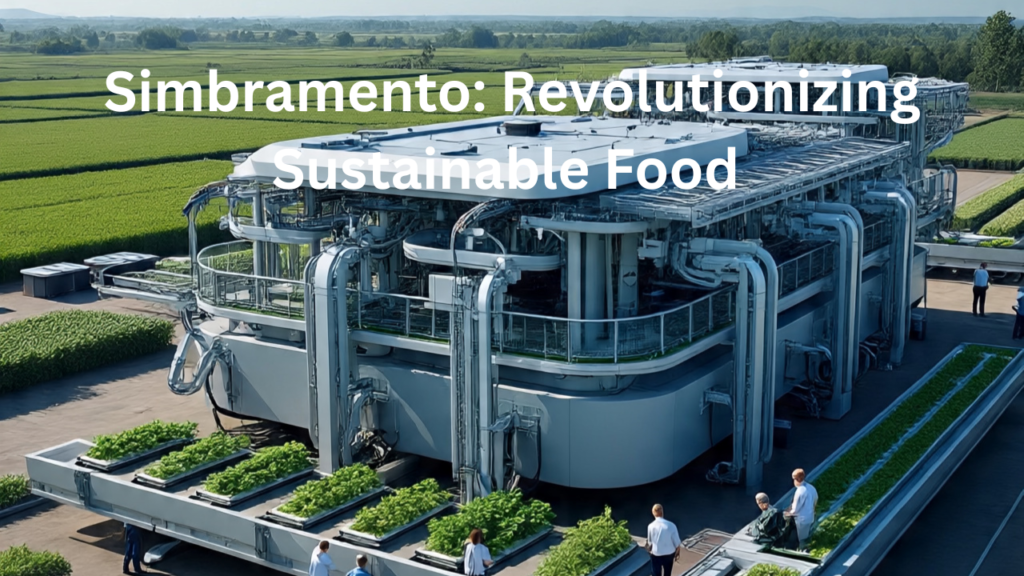
Simbramento represents an innovative agricultural approach that is rapidly gaining attention as a potential solution to some of the most pressing challenges facing modern food production. As global populations continue to surge and climate change threatens traditional farming methods, Simbramento offers a pathway toward more sustainable and resilient agricultural systems. This ancient yet forward-thinking practice combines multiple crops in a single field, creating synergistic relationships that enhance productivity while reducing environmental impact.
Understanding the Core Principles of Simbramento
At its essence, Simbramento is a farming technique that involves planting different crop species together in the same space, allowing them to grow simultaneously and benefit from each other’s presence. Unlike monoculture farming, which dominates modern agriculture and involves growing a single crop over large areas, Simbramento embraces biodiversity and natural ecological relationships. This method draws inspiration from traditional farming practices used by indigenous communities for centuries, yet it incorporates modern scientific understanding to optimize crop combinations and management strategies.
The practice works by carefully selecting companion plants that complement each other in various ways. Some plants may fix nitrogen in the soil, benefiting neighboring crops that require this essential nutrient. Others may provide ground cover that suppresses weeds and retains soil moisture. Taller plants can offer shade to more delicate species, while deep-rooted varieties access water and nutrients from lower soil layers, making resources available that shallow-rooted plants cannot reach. This intricate web of interactions creates a more robust and productive agricultural ecosystem.
Addressing Soil Degradation Through Natural Methods
One of modern agriculture’s most critical challenges is soil degradation, which affects nearly one-third of the world’s agricultural land. Conventional farming practices often strip soil of its nutrients, leading to decreased fertility and increased reliance on synthetic fertilizers. Simbramento offers a natural alternative by maintaining continuous soil cover and promoting diverse root systems that prevent erosion and improve soil structure.
When multiple crops grow together, their varied root architectures create channels at different depths, improving water infiltration and aeration. The constant presence of living plants means organic matter is continuously added to the soil through root turnover and leaf litter. This organic material feeds beneficial microorganisms, creating a thriving soil ecosystem that naturally cycles nutrients and suppresses harmful pathogens. Farmers practicing Simbramento often report improved soil health within just a few growing seasons, reducing their dependence on external inputs.
Enhancing Food Security in Uncertain Times
Global food security faces unprecedented threats from climate variability, water scarcity, and the need to feed an estimated 10 billion people by 2050. Simbramento contributes to food security in several important ways. First, by growing multiple crops simultaneously, farmers diversify their harvest and reduce the risk of total crop failure. If one species struggles due to pests, disease, or weather conditions, others may thrive, ensuring some level of production.
Additionally, this approach often increases total yield per unit of land compared to monoculture systems. Research has shown that well-designed intercropping systems can produce 20 to 60 percent more food from the same area. This increased efficiency is crucial as arable land becomes scarcer and the pressure to produce more food intensifies. The diverse crops produced through Simbramento also contribute to nutritional diversity, providing communities with a broader range of vitamins, minerals, and other essential nutrients.
Reducing Agricultural Chemical Dependence
Modern industrial agriculture relies heavily on pesticides, herbicides, and synthetic fertilizers, which carry significant environmental and health costs. These chemicals contaminate water sources, harm beneficial insects and wildlife, and can leave residues in food. Simbramento naturally reduces the need for these inputs through biological pest control and nutrient cycling.
The diversity inherent in Simbramento creates habitats for beneficial insects that prey on crop pests, establishing natural pest control systems. Certain plant combinations can also confuse or repel pests that typically target specific crops. For instance, aromatic herbs planted among vegetables can mask the scent that attracts harmful insects. Similarly, the nitrogen-fixing properties of legumes reduce the need for synthetic nitrogen fertilizers, which are energy-intensive to produce and contribute to greenhouse gas emissions.
Climate Resilience Through Agricultural Diversity
Climate change brings increased weather unpredictability, including droughts, floods, and temperature extremes. Agricultural systems must adapt to these changing conditions, and Simbramento provides inherent climate resilience. The diverse plant species in these systems respond differently to environmental stresses, creating a buffer against extreme conditions.
Deep-rooted plants can access water during dry periods, while others may be more tolerant of excess moisture. This diversity ensures that some crops will survive and produce even when conditions are not ideal. Furthermore, the improved soil structure resulting from Simbramento enhances water retention during droughts and drainage during heavy rains. The practice also contributes to carbon sequestration, as healthier soils with more organic matter store atmospheric carbon, helping mitigate climate change itself.
Economic Benefits for Small-Scale Farmers
While Simbramento offers environmental advantages, it also provides economic benefits, particularly for small-scale farmers. By reducing input costs for fertilizers and pesticides, farmers can improve their profit margins. The diversified production means income streams are spread throughout the year as different crops mature at various times, providing financial stability.
Markets increasingly value sustainably produced food, and farmers practicing Simbramento can often command premium prices for their products. The method also requires less mechanization than industrial monoculture, making it accessible to farmers with limited capital. Traditional knowledge combined with modern innovations makes Simbramento adaptable to various scales and contexts, from small family farms to larger operations.
Conclusion
Simbramento emerges as a comprehensive solution to multiple challenges plaguing modern agriculture. By working with natural ecological principles rather than against them, this approach offers a path toward truly sustainable food production. It addresses soil health, food security, chemical dependence, climate resilience, and economic viability simultaneously. As we face an uncertain agricultural future, embracing practices like Simbramento may not just be beneficial but essential for feeding humanity while preserving the planet’s ecological integrity for generations to come.
