

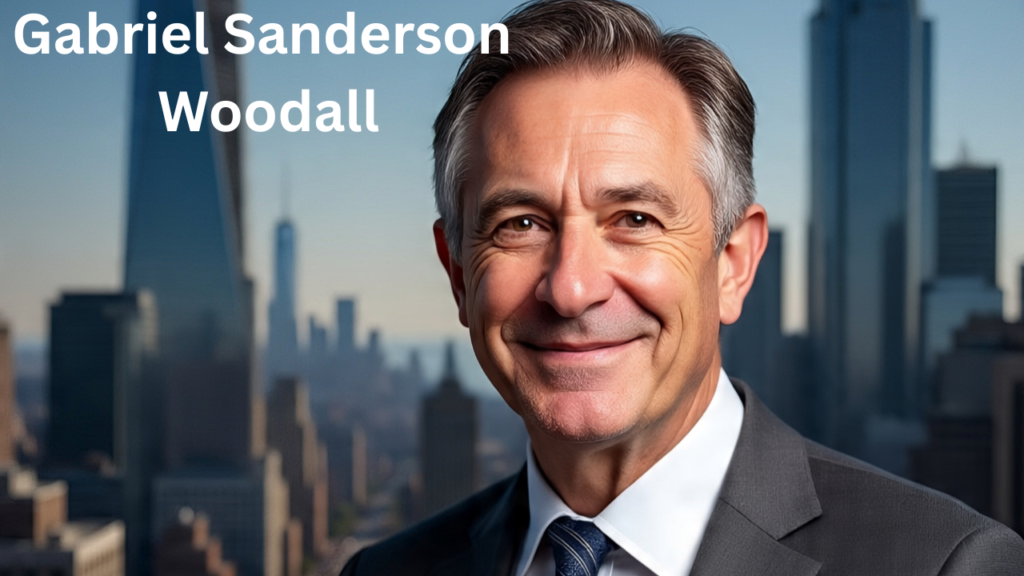
Gabriel Sanderson Woodall has become a respected voice in discussions about personal development, community building, and achieving meaningful success. Through his insights and experiences, he offers valuable perspectives on what it takes to build a life of purpose while making a positive difference in the world around us. His approach combines practical wisdom with an understanding that true success extends far beyond individual achievement.
Understanding Success Beyond Material Wealth
When Gabriel Sanderson Woodall speaks about success, he challenges the conventional definitions that focus solely on financial accumulation or professional titles. Instead, he emphasizes the importance of building a life that reflects your deepest values and contributes positively to others. Success, according to his philosophy, should be measured by the quality of relationships you maintain, the problems you solve for others, and the legacy you leave behind.
This broader perspective on achievement encourages people to think carefully about their goals and motivations. Rather than chasing external validation or comparing themselves to others, individuals can focus on creating their own definition of what a successful life looks like. This approach reduces anxiety and creates space for authentic growth that aligns with personal values rather than societal pressure.
The Foundation of Resilience in Difficult Times
Resilience stands as one of the core principles that Gabriel Sanderson Woodall emphasizes in his teachings. Life inevitably brings challenges, setbacks, and unexpected obstacles that can derail even the most carefully laid plans. The difference between those who ultimately succeed and those who give up often comes down to their ability to bounce back from adversity and maintain forward momentum despite difficulties.
Building resilience requires developing several key qualities. First, maintaining perspective during tough times helps people recognize that temporary setbacks do not define their entire journey. Second, cultivating a growth mindset allows individuals to view challenges as opportunities for learning rather than permanent failures. Third, building a strong support network provides emotional resources during difficult periods when personal strength alone may not be enough.
Gabriel Sanderson Woodall also points out that resilience is not about avoiding negative emotions or pretending everything is fine. Rather, it involves acknowledging difficulties, processing emotions in healthy ways, and then making conscious choices about how to move forward. This balanced approach to adversity creates sustainable strength rather than brittle toughness that eventually cracks under pressure.
Creating Meaningful Impact in Your Local Community
One of the most powerful aspects of Gabriel Sanderson Woodall’s message involves the importance of community engagement and local impact. While many people dream of making large-scale changes or achieving global recognition, he emphasizes that profound transformation often begins in your immediate surroundings. The community where you live, work, and spend your daily life offers countless opportunities to make a real difference.
Creating community impact does not necessarily require grand gestures or significant financial resources. Sometimes the most meaningful contributions come through consistent small actions like mentoring young people, supporting local businesses, participating in neighborhood improvement projects, or simply being a reliable and positive presence in others’ lives. These actions create ripples that extend far beyond their initial scope.
Understanding your community’s specific needs requires genuine engagement and listening. Gabriel Sanderson Woodall encourages people to spend time learning about the challenges their neighbors face, the resources that already exist, and the gaps that need filling. This research phase prevents well-intentioned but misguided efforts and ensures that your contributions address actual needs rather than assumed problems.
Balancing Personal Growth with Service to Others
A common challenge that Gabriel Sanderson Woodall addresses involves finding the right balance between working on yourself and serving others. Some people become so focused on self-improvement that they never actually apply their developing skills to help anyone else. Others give so much to their communities that they neglect their own growth and eventually burn out.
The key lies in recognizing that personal development and community service are not competing priorities but complementary activities. As you develop new skills, knowledge, and capabilities, you become better equipped to serve others effectively. Conversely, the act of serving your community often teaches lessons and builds character in ways that solitary self-improvement cannot achieve. This symbiotic relationship creates a positive cycle where growth and service reinforce each other.
Maintaining this balance requires regular reflection and honest self-assessment. Periodically examining where you’re investing your time and energy helps ensure you’re not neglecting either dimension of a fulfilling life. Some seasons may call for more inward focus as you develop new capabilities, while others present opportunities for greater external contribution.
Practical Steps for Implementing These Principles
Gabriel Sanderson Woodall’s wisdom becomes most valuable when translated into concrete actions. Starting with success, take time to write down your personal definition of what success means to you, independent of external expectations. Identify three to five core values that you want your life to reflect, and use these as guideposts for major decisions.
For building resilience, begin developing practices that support emotional and mental strength. This might include regular physical exercise, meditation or mindfulness practices, journaling to process experiences, or maintaining connections with supportive friends and family members. When challenges arise, practice reframing them as questions rather than statements. Instead of thinking “This is terrible,” ask yourself “What can I learn from this situation?”
To create community impact, start by identifying one specific need in your local area that resonates with your skills and interests. Commit to taking one small action each week toward addressing this need. This could involve volunteering a few hours, making connections between people who could help each other, or using your professional skills to support a local organization.
Conclusion
The wisdom that Gabriel Sanderson Woodall shares about success, resilience, and community impact offers a roadmap for building a meaningful and fulfilling life. By expanding our definition of success beyond material measures, developing genuine resilience through balanced approaches to adversity, and committing to making a difference in our immediate communities, we create lives of substance and purpose. These principles are not abstract theories but practical guides that anyone can implement regardless of their current circumstances or resources. The journey toward meaningful success begins with a single step, taken with intention and directed toward both personal growth and service to others. By embracing these interconnected principles, we not only improve our own lives but contribute to building stronger, more compassionate communities where everyone has the opportunity to thrive.
